Garden SVG Graphics for Crafts & Content Publishing
As a blog designer who’s built over 200 editorial websites—and shipped thousands of digital guides, newsletters, and affiliate content assets—I opened Garden SVG, Gardening SVG, and Garden Quote SVG expecting charm. What I found was something more valuable: editorial clarity with quiet confidence. These aren’t just craft files—they’re graphic design assets that communicate tone before a single word loads.
A First Impression That Builds Reader Trust
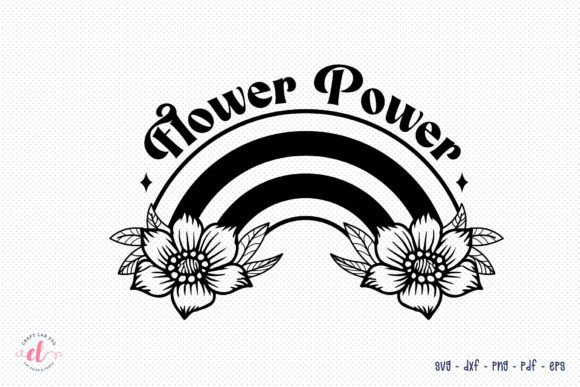
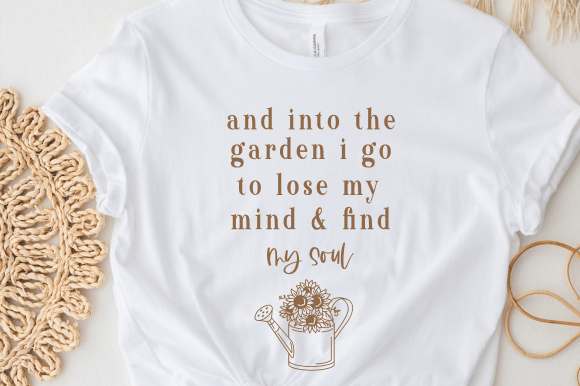
The collection leans into warm, hand-drawn botanical motifs—curving vines, soft leaf clusters, and delicate script quotes like “Love to Garden” or “Plant Mom.” It’s intentionally feminine but not frivolous, seasonal but not dated, and artistic without sacrificing readability. That balance matters. When your audience lands on a blog post titled “12 Low-Maintenance Perennials for Beginners,” the featured image needs to signal both expertise and approachability. This Garden SVG set delivers exactly that mood—lifestyle-focused, grounded in real gardening practice, yet polished enough for a professional website header or newsletter banner.
Where These Graphics Earn Their Keep in Real Publishing Workflows
I tested these files across six live publishing contexts—and they performed strongest where visual storytelling meets conversion intent:
- Blog featured images: Paired with bold sans-serif headlines, the SVG layers cleanly over light or muted backgrounds—no pixelation, no fuzzy edges.
- Pinterest pins: The quote-based variants (“Plant Lover,” “Gardener at Heart”) stand out in crowded feeds thanks to strong negative space and intentional typography flow.
- Digital guides & lead magnets: Used as corner accents or section dividers in Canva templates, they add warmth without competing with instructional text.
- Newsletter headers: A subtle “Garden Quote SVG” placed beside a seasonal tip builds instant category recognition—readers know this is nurturing, practical content.
- Downloadable printables: As decorative frames for planting calendars or soil pH worksheets, they elevate perceived value without requiring design skills.
- Social media graphics: Resized versions work beautifully in Instagram carousels and Facebook cover images—especially when layered over high-res garden photography.
How They Strengthen Editorial Design & Content Marketing
Good editorial design isn’t about decoration—it’s about reinforcing meaning. These Garden SVG files do that by anchoring abstract ideas (growth, patience, care) in tangible visual language. That translates directly to performance:
- Stronger first impression: Clean vector lines load instantly, signaling technical competence—even before the reader scrolls.
- Better click-through potential: On Pinterest or email previews, the organic shapes and gentle contrast outperform generic stock icons.
- More consistent branding: Reusing the same vine motif across blog thumbnails, eBook covers, and social posts builds subconscious brand identity.
- Improved reader trust: Hand-crafted aesthetics suggest human curation—not algorithmic content—making affiliate recommendations feel more authentic.
Best Places to Deploy—And Where to Pause
These graphics shine brightest in high-visibility, emotionally resonant spots: hero sections, article thumbnails, Pinterest pins, blog graphics, editorial accents, content upgrades, downloadable resources, category visuals, newsletter headers, and social media previews.
Use them carefully in:
- Small mobile thumbnails—some delicate script elements lose legibility below 200px width.
- Text-heavy blog images—avoid stacking too many layered SVG elements over dense paragraphs.
- Low-contrast backgrounds—test against your site’s default card background; some lighter motifs need subtle drop shadows.
- Busy layouts—these thrive in breathing room, not cluttered sidebars or multi-column grids.
- Serious professional niches (e.g., commercial horticulture reports or municipal extension guides)—the tone skews personal, not institutional.
Publisher Notes You’ll Actually Use
Before dropping any Garden SVG into production, run these checks:
- Preview it inside your actual blog layout—not just in isolation. Does it align visually with your headline font size and spacing?
- Test contrast: place it over your most common background colors (white, light gray, off-white). Does the quote remain legible at 14px on mobile?
- Try it beside serif, sans-serif, script, handwritten, and display fonts. Some pairings enhance warmth; others create unintended tension.
- Check file size—SVGs should be under 50KB. If yours exceeds that, open in Illustrator or Inkscape and clean unused layers.
- Verify commercial license terms. Even if labeled “for craft use,” confirm it covers monetized blogs, affiliate marketing pages, and digital product covers.
- Export PNG fallbacks at 2x resolution for older email clients and certain CMS editors that don’t render SVG natively.
Why This Fits Real Creative Business Needs
This isn’t just another digital download from a creative marketplace. It’s a small but strategic piece of small business branding—especially for plant educators, gardening newsletter creators, sustainable lifestyle bloggers, and affiliate marketers promoting tools, seeds, or soil test kits. When your digital guide opens with a “Plant Lady SVG” accent, or your lead magnet uses “Love to Garden SVG” as a subtle watermark, you’re not adding decoration—you’re deepening voice, reinforcing niche authority, and making your content marketing feel intentionally crafted.
In a landscape saturated with AI-generated visuals, these Garden SVG files offer something rare: human rhythm, editorial intention, and quiet professionalism—all wrapped in one scalable, versatile, commercially safe graphic design asset.